

Managing PFAS contamination following deluge testing at a national infrastructure substation
Published: 22 July 2026
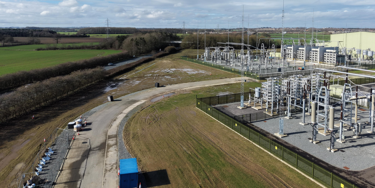
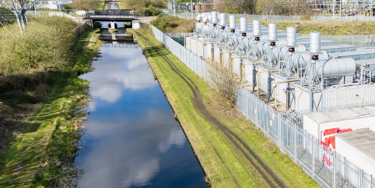
In July 2023, a nationally critical energy substation experienced significant PFAS contamination following deluge testing of a newly installed fire suppression system. As part of the test, aqueous film-forming foam (AFFF) was released into the site’s drainage system due to drainage closure devices not being activated. Contaminated water subsequently discharged into two sensitive watercourses, creating an urgent environmental incident.
Our team delivered a structured emergency response, installed advanced treatment systems, and implemented a site-wide remediation programme – ultimately preventing further pollution, reducing PFAS loading, strengthening environmental protection, and supporting long-term compliance.
Framing the challenge
The site performed deluge testing of a fire suppression system that utilised AFFF. With drainage closure devices left open during the test, AFFF-contaminated water entered the surface water drainage network, ultimately reaching a nearby river. PFAS concentrations were extremely high; 6:2 FTS levels reached up to 48,900 µg/L.
Key challenges included:
Multiple sensitive receiving waters downstream of the site
Significant concern from the Environment Agency
A requirement to keep the substation fully operational throughout
Ageing drainage infrastructure not designed for PFAS management
Heavy rainfall rapidly increasing water volumes and pollutant transport
The incident also revealed wider legacy issues, including hydrocarbon contamination within the network and suspected historical PFAS accumulation.
The combination of uncontrolled PFAS discharge, an environmentally sensitive setting, and strict regulatory oversight created an urgent need for immediate containment and a comprehensive, defensible remediation strategy.
Approach and implementation
To stabilise the situation and prevent further environmental harm, we deployed a multi-stage response combining emergency pollution control, advanced water treatment, and systematic drainage remediation.
Phase 1: Emergency containment & environmental protection
We mobilised to site the same day the incident was reported. After confirming that discharge valves had been closed to retain impacted water on-site, immediate actions included:
Deploying absorbent booms and pollution control measures
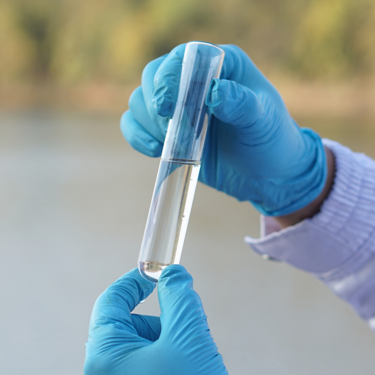
Conducting rapid water sampling at the point of loss, upstream, and downstream
Establishing a site-wide monitoring regime to benchmark contaminant levels
Removing contaminated water from the network to prevent further off site migration.
This urgent response protected the highly sensitive environment and demonstrated to the regulator that a robust and proactive containment strategy was in place.

Phase 2: Installation of granular activated carbon (GAC) treatment system
To treat contaminated surface water and prevent further pollution events and flooding of the site, we installed a substantial GAC treatment system which included:
Five banks of three GAC vessels
Treatment of all water pumped from the storm water pump house
Ability to achieve laboratory limits of detection for PFAS and hydrocarbons
A series of trials in collaboration with the Environment Agency refined the treatment configuration. After successfully demonstrating effectiveness, consent to discharge treated water to foul sewer was secured and subsequent approved granted to discharge treated water to the dyke.
Phase 3: Drainage network cleaning & resilience measures
As the project progressed, we carried out a comprehensive clean of the site-wide drainage system with particular focus on the most heavily affected sections, including:
Removal of PFAS-laden silts and sediments
Compliant disposal of contaminated wastes
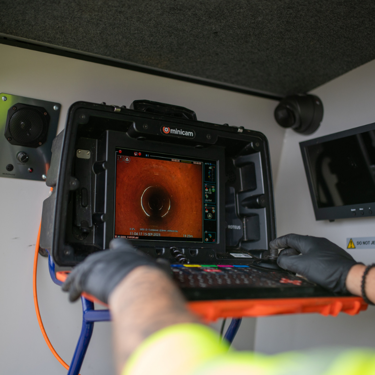
Full defect survey of the drainage network infrastructure
This work addressed both pollution and structural issues, reducing the risk of recurrence and improving drainage performance.
Throughout this period, the team maintained 24/7 operation, adapting shift patterns to weather conditions and ensuring continuous protection of downstream water bodies.
Outcomes and results
The combined containment, treatment and remediation activities resulted in a clear and progressive reduction in PFAS concentrations. Treated water consistently achieved levels at or below limits of detection for key PFAS compounds.
The response successfully prevented continued pollution of the dyke and river. Approximately 95 million litres of potentially contaminated water were prevented from causing environmental harm. The structured monitoring programme, transparent reporting, and collaborative approach with the Environment Agency provided confidence that the site was taking responsible and effective action.
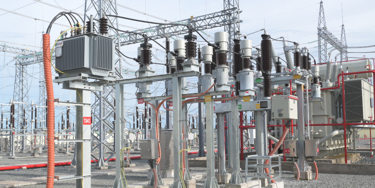
Through rapid mobilisation, robust containment, advanced treatment technologies, and systematic remediation, we safeguarded sensitive watercourses, significantly reduced PFAS loading, and restored environmental control at a nationally important substation. The substation remained fully operational throughout, protecting critical national infrastructure.
This end-to-end approach mitigated immediate environmental and regulatory risks, improved drainage resilience, and delivered a more sustainable long-term management framework which supported the client’s operational continuity and environmental obligations.
More from our Knowledge Hub
 Insights
Turning environmental awareness into action: 8 defining conversations from ESS Expo 2026
 Insights
Environmental resilience will decide who wins the UK data centre race
 White paper
The Resilience Dividend: How Environmental Resilience is Becoming a Competitive Advantage for Data Centres
 Insights
Why provable data is becoming the water sector's next competitive advantage
Environmental compliance today, creating a sustainable tomorrow
Helping you reduce risk to the environment and your operation by managing assets compliantly while achieving commercial, ESG, and net-zero goals.
Contact our experts