

Beyond the charger: What a future-ready depot really looks like
Published: 28 April 2026
Fleet electrification is accelerating across every major sector, but the practical reality is that most depots and operational sites were never designed for the electrical loads required to support modern charging systems.
While many organisations begin their planning with a focus on vehicles and chargers, the real determinant of success sits within the infrastructure that supports them. A future ready depot is not defined by the number of chargers installed. It is defined by the strength, resilience, and adaptability of the electrical systems that sit behind them.

As electrification programmes scale, organisations are discovering that the challenges they face are far more complex than selecting hardware. Rising electrical demand, ageing assets, limited headroom, and long grid connection timelines are creating barriers that can delay projects, increase costs, and disrupt operations.
To move forward with confidence, organisations need a clear understanding of what a future ready depot looks like and how to design infrastructure that can support both current and future requirements.
This insight explores the characteristics of a future ready depot, the principles that underpin effective design, and the importance of ongoing maintenance once electrification is in place.
Understanding the shift from charging to infrastructure
The first step in building a future ready depot is recognising that electrification is primarily an infrastructure challenge. Chargers are only one component of a much wider system. The real constraints often sit within the electrical network that feeds them. Installed capacity rarely reflects what a site can safely use. Historical modifications, ageing switchgear, and legacy LV or HV systems can significantly reduce real world headroom.
A future ready depot begins with a clear understanding of the baseline. This includes load studies, asset condition assessments, diversity analysis, and modelling of future demand based on fleet growth and operational patterns. Without this foundation, organisations risk underestimating the scale of the upgrades required or discovering constraints only when projects reach a critical stage.

Designing for resilience and scalability
Once the baseline is understood, the next step is designing infrastructure that can support both immediate needs and long term growth. A future ready depot is not built for a single phase of electrification. It is built to evolve.
Several principles guide this approach:
1. Designing for future load, not just today’s requirements
Electrification programmes rarely remain static. As fleets expand, charging strategies evolve and operational patterns shift. Designing infrastructure that only meets current demand creates a risk of repeated upgrades, increased cost, and operational disruption. A future ready depot considers the full electrification roadmap and builds in the capacity and flexibility required to support it.
2. Integrating resilience into the design
Electrification increases dependency on electrical systems. Any failure within the network can have immediate operational consequences. Resilience planning is therefore essential. This includes redundancy within critical assets, clear separation of essential and non essential loads, and the ability to maintain operations during maintenance or unexpected outages.
3. Using smart charging and load management effectively
Load management can reduce required capacity significantly, but only when it is integrated into a well designed system. A future ready depot uses smart charging to balance demand, prioritise vehicles based on operational needs, and optimise energy use without compromising availability.
4. Planning for phased deployment
Most organisations electrify in stages. Infrastructure should be designed to support phased rollout without requiring major redesigns. This includes modular switchgear, scalable charging systems, and clear pathways for future expansion.
5. Ensuring compliance and grid readiness
Grid connection timelines and regulatory requirements are becoming critical dependencies. Early engagement with the DNO, understanding G99 and G100 requirements, and preparing accurate technical submissions can prevent delays and reduce the risk of costly redesigns.
The role of operational planning
Infrastructure alone does not create a future ready depot. Electrification changes how sites operate. Charging windows, vehicle turnaround times, and energy use patterns all influence the design and performance of the system. Operational planning must sit alongside engineering design to ensure that infrastructure supports real world requirements.
This includes:
- Understanding peak operational periods
- Identifying vehicles with critical availability requirements
- Planning charging strategies that align with shift patterns
- Ensuring that resilience measures support operational continuity
A future ready depot is one where infrastructure and operations are aligned, not treated as separate considerations.

Why ongoing maintenance is essential
Once a depot is electrified, the work doesn’t end. Electrification increases the importance of proactive maintenance. Electrical systems that previously supported limited or predictable loads now operate under significantly higher demand. Without ongoing monitoring and maintenance, the risk of faults, outages, and reduced performance increases.
A future ready depot includes a clear maintenance strategy that covers:
1. Routine inspection and testing
Regular inspection of switchgear, transformers, cabling, and protection systems ensures that assets remain safe and reliable. Increased load can accelerate wear, making proactive testing essential.
2. Monitoring and performance optimisation
Real time monitoring provides insight into load patterns, asset performance, and emerging constraints. This data supports optimisation and helps organisations plan future upgrades before issues arise.
3. Charger maintenance and reliability checks
Chargers are critical operational assets. Routine servicing, firmware updates, and performance checks ensure that they remain reliable and available when needed.
4. Managing degradation and lifecycle planning
Electrical assets have defined lifecycles. A future ready depot includes a long term plan for replacement, upgrade, and optimisation to ensure that infrastructure remains aligned with operational needs.
5. Ensuring compliance over time
Regulatory requirements evolve. Ongoing maintenance ensures that depots remain compliant with electrical standards, safety requirements, and grid obligations.
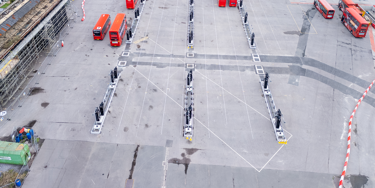
What defines a future ready depot
A future ready depot is not defined by the number of chargers installed. It is defined by the strength, resilience, and adaptability of the infrastructure that supports them. It is a site that understands its baseline, plans for future demand, integrates resilience into its design, and maintains its systems proactively.
Organisations that take this approach avoid the delays, redesigns, and operational disruption that often accompany electrification. They build infrastructure that supports long term growth, protects operational continuity, and provides a strategic advantage in an increasingly electrified landscape.
More from our Knowledge Hub
 Insights
Ageing assets: The hidden risk undermining industrial performance
 Insights
Why ageing infrastructure is struggling under modern electrical demand and what businesses need to do next
 White paper
Fleet electrification: Ensuring your business is energy ready
 Insights
The challenge and opportunity for the UK's electricity network
Environmental compliance today, creating a sustainable tomorrow
Helping you reduce risk to the environment and your operation by managing assets compliantly while achieving commercial, ESG, and net-zero goals.
Contact our experts