
The 5 big benefits of implementing CIPP lining into your maintenance programmes
Published: 27 May 2026
Across the UK, drainage systems are ageing, site pressures are increasing, and the cost of unplanned downtime continues to rise. For many organisations, drainage only becomes a priority when something goes wrong. That could be a blockage, a flood, a pollution incident, or a sudden operational shutdown. By that point, the disruption is already costly.
Cured-in-place pipe (CIPP) lining offers a smarter, more proactive way to manage drainage assets. Instead of waiting for failures, CIPP lining allows organisations to strengthen and rehabilitate their underground pipework as part of a planned maintenance programme. The result is a safer, more resilient site with fewer surprises and significantly lower long-term costs.
What are the biggest benefits of integrating CIPP lining into your maintenance strategy?
1. Minimal disruption to your operations
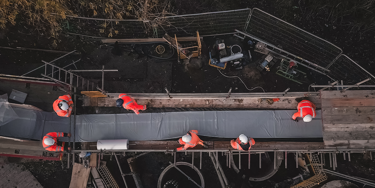
One of the most compelling advantages of CIPP lining is how little disruption it causes. Traditional excavation requires digging trenches, breaking ground, closing access routes, and often shutting down parts of a site. For busy commercial, industrial or logistics environments, that level of disruption is simply not practical.
CIPP lining avoids all of this. Because it is a trenchless technology, the repair is carried out from existing access points such as manholes. The liner is inserted into the pipe, inflated, and cured in place, creating a new pipe within the old one.
This means no digging, no road closures, no shutdowns, no reinstatement works, and no heavy plant or machinery on site.
Most CIPP lining installations are completed in a matter of hours, not days. For sites that operate 24/7 or have tight production schedules, this is a major advantage. The work can often be carried out while the site remains fully operational, allowing businesses to maintain continuity and avoid costly downtime.
2. Significant cost savings compared to excavation
Excavation is expensive. Beyond the repair itself, the associated costs quickly add up:
- Breaking ground
- Removing spoil
- Traffic management
- Reinstating surfaces
- Labour and plant hire
- Extended programme durations
- Lost productivity due to disruption
When all of these factors are considered, excavation can cost three to ten times more than a trenchless repair.
CIPP lining eliminates most of these expenses. Because the work is carried out underground without digging, the cost is largely limited to the lining process itself. There is no spoil to remove, no reinstatement required, and no need for large teams or heavy machinery.
For organisations managing large estates or multiple sites, the savings can be substantial. CIPP lining also reduces the likelihood of emergency callouts, which are often the most expensive type of repair. By integrating CIPP lining into a planned maintenance programme, businesses can control their budgets more effectively and avoid the financial shock of unexpected failures.
3. Extends the life of your drainage assets by 50+ years
CIPP lining is not a temporary fix. When installed correctly, it creates a structurally sound, durable pipe with a life expectancy of 50 years or more. In many cases, the lined pipe is stronger than the original.
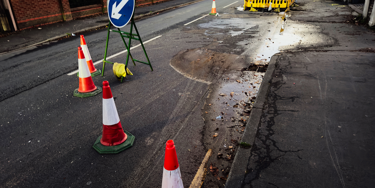
This long-term resilience is particularly valuable for sites with ageing infrastructure. Many drainage systems in the UK were installed decades ago and were never designed to cope with modern operational demands. Over time, pipes can crack, joints can displace, and root ingress can cause significant damage.
CIPP lining addresses these issues by:
- Sealing cracks and fractures
- Reinforcing weakened sections
- Preventing root ingress
- Eliminating leaks
- Restoring structural integrity
By incorporating CIPP lining into a maintenance programme, organisations can extend the life of their assets without the cost and disruption of full replacement. This proactive approach reduces the risk of sudden failures and helps maintain a safe, compliant and resilient site.
4. Lower environmental impact and improved sustainability
Sustainability is a core priority for many organisations. Reducing carbon emissions, minimising waste, and avoiding unnecessary environmental impact are all key considerations in modern maintenance planning.
CIPP lining supports these goals in several ways:
- Up to 90% lower CO₂ emissions compared to excavation
- No spoil to landfill
- Fewer vehicle movements
- No heavy plant or machinery
- Reduced risk of pollution from damaged pipes
Because the process is trenchless, it avoids the environmental footprint associated with digging, transporting waste and reinstating surfaces. It also helps prevent pollution incidents by sealing defects that could allow contaminated water to escape into the environment.
For organisations with ESG commitments, CIPP lining is a practical way to reduce environmental impact while improving asset performance.

5. Reduces the risk of flooding, pollution and unplanned downtime
Drainage failures rarely happen at convenient times. A blocked or damaged pipe can quickly lead to flooding, contamination or operational shutdowns. These incidents are disruptive and costly – both financially and reputationally.
CIPP lining significantly reduces these risks by addressing the underlying causes of failure:
- Cracks and fractures
- Displaced joints
- Root ingress
- Structural defects
- Leaks and infiltration
By proactively repairing these issues, organisations can prevent:
- Flooding on site
- Pollution incidents
- Damage to stock or equipment
- Health and safety risks
- Environmental enforcement action
- Insurance claims
- Emergency callouts
A well maintained drainage network is essential for safe and efficient operations. CIPP lining provides a reliable, long-term solution that keeps sites running smoothly and reduces the likelihood of costly disruptions.
A smarter way to manage drainage
CIPP lining is more than a repair technique; it is a strategic tool for modern maintenance programmes. By integrating trenchless remediation into planned works, organisations can reduce disruption, control costs, extend asset life, improve sustainability, and protect operations from unexpected failures.
As drainage networks continue to age and operational pressures increase, proactive maintenance is becoming essential. CIPP lining offers a practical, efficient and future-ready solution that helps businesses stay ahead of problems rather than reacting to them.
For organisations that cannot afford downtime, disruption or escalating repair costs, CIPP lining should be a central part of their maintenance strategy.
More from our Knowledge Hub
 Insights
Turning environmental awareness into action: 8 defining conversations from ESS Expo 2026
 Insights
Environmental resilience will decide who wins the UK data centre race
 White paper
The Resilience Dividend: How Environmental Resilience is Becoming a Competitive Advantage for Data Centres
 Insights
Why provable data is becoming the water sector's next competitive advantage
Environmental compliance today, creating a sustainable tomorrow
Helping you reduce risk to the environment and your operation by managing assets compliantly while achieving commercial, ESG, and net-zero goals.
Contact our experts