
Why ageing infrastructure is struggling under modern electrical demand and what businesses need to do next
Published: 30 March 2026
Across the UK, organisations are facing a fundamental shift in how their sites consume and depend on power. Electrical demand is rising in ways that were not anticipated when most industrial and commercial infrastructure was designed. The result is a growing mismatch between what sites were built to handle and what modern operations now require.
This isn’t a theoretical future challenge. It is already shaping operational performance, resilience and compliance today. For many organisations, the pressure is building faster than internal teams can respond.
It's important to understand the forces driving this shift, the risks created by outdated infrastructure, and why understanding your electrical baseline has become a strategic priority.
Demand is rising across every part of the operation
The first driver of change is simple: organisations are using more electricity than ever before. The increase isn’t coming from a single source; it’s the cumulative effect of multiple operational changes happening at the same time.
Electrification of fleets and transport
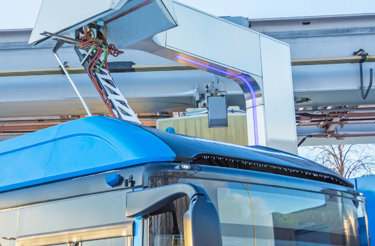
Even modest adoption of electric vehicles places significant load on depots and operational sites. A handful of chargers can exceed the demand of the entire building they sit beside. However, while fleet electrification is only one part of the picture, it is often the first pressure point that exposes underlying capacity constraints.
Electrified heating and cooling
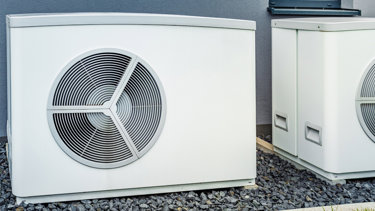
Heat pumps, electric boilers, and climate control systems are replacing gas-based systems. These technologies are efficient, but they require electrical headroom that many sites simply do not have.
Digitalisation and automation
Data centres, automated equipment, robotics, and 24/7 monitoring systems all contribute to sustained increases in base load. These systems also create new resilience requirements, meaning downtime is no longer an inconvenience; it is a critical operational risk.
Resilience and redundancy expectations
Organisations are building more redundancy into their systems to protect against outages, extreme weather, and supply chain disruption. They need to start exploring increasing connected load or power infrastructure requirements rather than directly raising real-time demand.
Regulatory and ESG pressures
Compliance frameworks increasingly expect organisations to demonstrate energy efficiency, resilience, and decarbonisation progress. These expectations often require upgrades to monitoring, metering, and electrical control systems, all of which add complexity and, in some cases, don’t actually assist in providing substantial additional electrical load.
The combined effect is clear: demand is rising faster than infrastructure can keep up.
Most sites were never designed for today’s loads
The second driver is structural. Much of the UK’s industrial and commercial electrical infrastructure was installed decades ago. It was built for a different operational model, with different assumptions about load, resilience and future growth.
Ageing assets
Switchgear, cabling, transformers and distribution boards degrade over time. Many are operating beyond their intended lifespan, with limited documentation on historical upgrades.
Limited headroom
Even where infrastructure appears to have capacity on paper, usable headroom is often far lower due to ageing components, historical modifications, or safety constraints.
Outdated design assumptions
Original designs rarely accounted for:
- EV charging
- Electrified heating
- High density digital equipment
- Continuous 24/7 operations
- Modern resilience expectations
These loads simply did not exist when the infrastructure was installed
Fragmented upgrades
Over the years, many sites have added equipment incrementally – a charger here, a new HVAC system there – without revisiting the overall electrical design. This creates uneven loading, bottlenecks, and hidden vulnerabilities.
The result is a system that may appear functional day-to-day but is increasingly fragile under modern demand.
The operational risks are growing
When infrastructure can’t keep pace with demand, the consequences are immediate and costly.
Overloads and outages
Unexpected shutdowns disrupt operations, damage equipment, and create safety risks. In some sectors, even short outages can halt production or service delivery.
Compliance failures
Electrical systems that operate beyond their intended limits create regulatory exposure. This includes industry compliance, safety standards, and resilience expectations.
Delayed projects
Fleet electrification, digital upgrades, and operational improvements often stall when capacity constraints are discovered late. Redesigns and grid connection delays can push projects back by months.
Increased operational costs
Reactive upgrades, emergency works, and unplanned downtime are significantly more expensive than planned investment.
Strategic limitations
Organisations cannot scale, modernise, or decarbonise effectively if their infrastructure cannot support future demand.
The risk is not just technical; it encompasses commercial, operational, and strategic aspects.
Why assumptions about capacity often don’t match reality
Many organisations believe they have more capacity than they actually do. This is understandable as documentation may be incomplete, historical upgrades may not be recorded, and installed capacity is often mistaken for usable capacity.
Installed capacity ≠ usable capacity
Ageing components, safety margins, and historical modifications reduce real-world headroom.
Load profiles have changed
Peak demand is higher, more sustained, and more unpredictable than in the past.
Diversity factors are outdated
Assumptions about which systems run simultaneously no longer hold true in modern operations.
Grid constraints are tightening
Even when internal upgrades are possible, the local grid may not be able to support additional demand without reinforcement.
This is why so many organisations fail their first capacity check – not because they have done anything wrong, but because the system has evolved around them.
Understanding your baseline is now a strategic priority
The first step in addressing these challenges is clarity. Organisations need a detailed, evidence based understanding of:
- Current load
- Future demand
- Asset condition
- Capacity constraints
- Grid limitations
- Resilience gaps
This is not a box ticking exercise; it is the foundation for:
- Safe operation
- Cost-effective investment
- Decarbonisation planning
- Operational continuity
- Regulatory compliance
- Long-term resilience
Without this baseline, organisations risk making decisions that are expensive, disruptive, or impossible to deliver.
Organisations that act early will be better positioned
The shift in energy demand is not slowing down. Those who assess their infrastructure early will:
- Avoid costly redesigns
- Reduce operational risk
- Strengthen compliance
- Build resilience into their operations
- Support electrification and digitalisation
- Make informed investment decisions
- Move faster than competitors
Those who wait will face higher costs, longer delays, and greater disruption.
The energy landscape is changing, and the infrastructure that underpins your operations must change with it. Understanding your baseline is the first step toward building a system that is safe, resilient, and ready for the future.
Fleet electrification: Ensuring your business is energy ready
Our white paper sets out a practical, engineering‑led roadmap to help organisations build the right energy strategy to support large‑scale electric vehicle adoption. It explains where hidden constraints typically sit, why issues often surface too late, and how to plan a phased approach that supports electrification without disrupting day‑to‑day operations.
Download now to understand the practical steps your business needs to take.
More from our Knowledge Hub
 Insights
What does a Regulation 61 notice mean for your airport operations?
 Insights
Turning environmental awareness into action: 8 defining conversations from ESS Expo 2026
 Insights
Environmental resilience will decide who wins the UK data centre race
 White paper
The Resilience Dividend: How Environmental Resilience is Becoming a Competitive Advantage for Data Centres
Environmental compliance today, creating a sustainable tomorrow
Helping you reduce risk to the environment and your operation by managing assets compliantly while achieving commercial, ESG, and net-zero goals.
Contact our experts