

The challenge and opportunity for the UK's electricity network
Published: 15 December 2025
The UK’s electricity network is at a crossroads. Much of the infrastructure dates back to the middle of the 20th century, yet demand from electric vehicles, heat pumps and renewables is reshaping how power flows. The result? Long queues, local strain, and rising risks from weather and cyber threats.
Let's investigate the main problems, lay out practical solutions that work today, and describes the policy and industry actions needed to deliver a cleaner, stronger, more reliable grid.
Current issues with the grid
1. Ageing infrastructure and operational limits
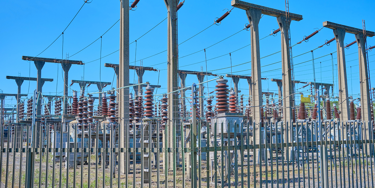
A large proportion of the distribution network and many substation components are operating beyond their originally anticipated economic lives. Like running a fleet of classic cars, many substations rely on equipment well past its design life. Spare parts are scarce, and these assets were never built for today’s two-way power flows. This increases the frequency of overloads and complicates maintenance and fault isolation.
2. Connection queue and project delays
Hundreds of wind and solar projects are stuck in limbo, waiting for grid capacity. Each delay risks losing clean energy investment and slowing the UK’s net-zero momentum. Where local reinforcement is required, developers are faced with long lead times and high costs.
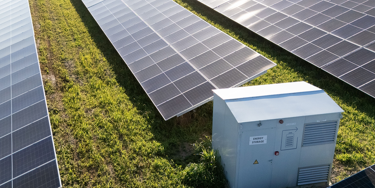
The grid was designed around predictable, centralised generation; connecting many variable projects in the same constrained area can require substantial network upgrades.
3. Rapidly rising and relocating demand
The shift to electric vehicles and heat pumps, along with the expansion of data centres is changing peak demand patterns and concentrating load in certain areas.

Fast chargers and data centres create intense, sustained power draws that local networks were never sized to handle. This change increases the need for network capacity, faster fault responses, and more granular planning.
4. Stability and operability issues with more renewables
Traditional thermal generators provided physical inertia and predictable voltage/frequency behaviour that helped stabilise the system. Where coal and gas plants once gave the grid natural stability, inverter-based renewables don’t. New fast-acting tools are needed to keep frequency and voltage in check. Without these tools, the system faces greater vulnerability during sudden loss of generation or extreme demand ramps.
5. Increased cyber and digital risks
Digital tools give operators better visibility, however they also open new doors for attackers. Interfaces between transmission, distribution and third-party providers are now potential entry points. A successful attack can disrupt control systems, cause incorrect protection behaviour, or complicate restoration after an outage, so stronger governance and supplier assurance are essential.
6. Supply chain and skills bottlenecks
Major network upgrades require long lead items such as transformers, switchgear, and specialist cabling. Global manufacturing constraints and limited domestic production capacity push out delivery times and inflate costs.
At the same time, there is a shortage of qualified engineers, protection and control specialists, and civil installation crews to deliver upgrades at the pace required.
Practical solutions that would work now
1. Strategic deployment of batteries and energy storage
Batteries are a powerful, deployable tool for balancing and resilience. They provide near instant frequency response, peak shaving and local congestion relief, and can be sited to avoid or defer costly reinforcement.
Utility scale batteries smooth daily renewable variability while clusters of distributed batteries reduce pressure. Long-duration energy storage complements batteries by addressing weekly or seasonal shifts in supply and demand.
National Grid Electricity System Operator 'Pathfinder' projects show how batteries can stabilise frequency in seconds. Why wait years for grid reinforcement when batteries can ease congestion today?
2. Smarter networks through data and digital tools
Digital twins let operators predict faults before they happen. Predictive maintenance driven by condition monitoring reduces unexpected failures and extends asset life. Standardised, secure data interfaces allow network operators to coordinate with aggregators and large consumers to deliver local flexibility without exposing critical systems to risk.
3. Faster connection models and flexible offers
We can speed up connections by allowing conditional or time-limited agreements, sharing reinforcement costs more fairly, and opening the door for third-party delivery. With clearer locational signals, developers can target uncongested areas or provide flexibility services instead of waiting for physical upgrades.
4. Local planning, microgrids and community energy
Local planning brings power generation closer to demand, cutting transmission needs and boosting resilience. Microgrids with storage and smart controls can keep critical loads running during wider outages. Community solar and local flexibility programmes don’t just ease grid strain, they also help to lower bills and create social value.
5. Market design to reward flexibility and demand side response (DSR)
Flexibility markets and dynamic tariffs can turn consumers into active participants. Aggregators combine small resources into services that operators can call on. This allows it to be cheaper than reinforcement and stabilising prices.
Clear, stable revenue streams are essential to attract investment in the technologies the grid depends on.
6. Cybersecurity and operational resilience
Cyber resilience demands layers: separating operational technology from information technology, vetting suppliers, and testing systems regularly.

Governance must be clear, escalation fast, and staff trained so good cyber hygiene becomes routine. Measuring and reporting cyber maturity keeps the grid prepared for inevitable threats.
7. Supply chain and workforce development
Targeted investment can grow UK manufacturing capacity for critical components and cut lead times. Apprenticeships and retraining programmes will expand the skilled workforce. These additional electricians, engineers and installers will make upgrades possible. Modular construction and standardised components will aid in simplifying procurement and speed delivery.
Real world examples and lessons
National transmission reinforcement
Strategic transmission upgrades increase transfer capacity between regions, unlocking renewable zones and reducing the need for local reinforcement. These coordinated projects reduce bottlenecks and support larger volumes of offshore wind and regional generation while improving resilience against more frequent extreme weather events.
Multi-service battery installations
Large batteries provide value across market and network needs: frequency response, peak shaving, and congestion management. When revenue from market services is combined with avoided reinforcement costs, many projects become commercially viable, and their rapid dispatch helps stabilise the grid during sudden generation losses.
Community microgrids and local resilience pilots
In one pilot, rooftop solar and small batteries cut local bills while keeping the lights on during faults. These projects don’t just ease pressure on the wider grid, they create jobs and resilience in communities.
Measuring success
Success isn’t abstract. It’s measured in shorter queues, faster repairs, and more flexible capacity at peak times.
How can these improvements by seen as successful?
- Shorter average connection lead times and a shrinking backlog of projects
- Increased MW of flexible capacity from batteries and demand side response available at peak times
- Reduced customer minutes lost per year and faster mean time to repair after faults
- Demonstrable ability to island local networks during extreme events and cyber incidents
- Shorter lead times for critical equipment, higher domestic manufacturing share, and a growing trained workforce
Policy and industry actions to prioritise
- Reform connection rules so projects can connect sooner, even if conditional, and let third parties deliver reinforcement
- Redesign markets to pay fairly for storage and reward aggregators who deliver reliable flexibility
- Invest in resilient supply chains and grow UK manufacturing for critical equipment like transformers and cabling
- Set enforceable cyber standards and test them regularly so the grid is ready when attacks come
- Give local authorities the tools – including fast planning, finance, and technical support – to help build microgrids and community energy projects that keep the lights on locally
Fixing the UK grid isn’t one project; it’s a national programme that spans technology, markets, regulation and local planning. However, short-term wins are available now: accelerate battery deployments, adopt smarter network operations, and remove unnecessary friction from connection processes.
Medium-term priorities mean bigger moves which include reinforcing transmission, scaling long-duration storage, and expanding supply chains. Across the board, strengthening cyber readiness and growing the skilled workforce are non negotiable.
Industry, regulators and communities must move together, investing in grid-friendly projects, rewarding flexibility, and making clean energy connections faster and fairer. With urgency and clear incentives, the UK grid can deliver net-zero – and do it with reliability and resilience.
More from our Knowledge Hub
 Insights
Why flood readiness is a competitive advantage for your business
 Insights
Why ageing infrastructure is struggling under modern electrical demand and what businesses need to do next
 Insights
How embedding flood resilience by design protects your sites, budgets, and operations
 Insights
Understanding the impact of Section 82 and SOAF: Insights from a wastewater sector roundtable
Environmental compliance today, creating a sustainable tomorrow
Helping you reduce risk to the environment and your operation by managing assets compliantly while achieving commercial, ESG, and net-zero goals.
Contact our experts